

How To Tell if a Home Has "Good Bones" in the Denver Metro Real Estate Market
Finding the right home in the Denver Metro real estate market can feel like a marathon. Buyers are often balancing price, condition, and location across competitive neighborhoods like Arvada, Golden, the Highlands, and beyond.
In an ideal world, every buyer would land an affordable, turnkey home in the perfect neighborhood. In reality, today’s Denver Metro home buyers often have to compromise on one of those factors to secure the right property.
If you come across an older home that checks two of the three boxes, it may still be a smart investment. As the saying goes, “the house don’t fall when the bones are good.” But how can you tell if a home’s structure is solid before committing to an inspection?
Visual Signs a Home Has Strong Bones
A well-built home shows consistency and uniformity. When touring homes for sale in the Denver Metro area, start with a full walk-through.
Check doors and windows throughout the property. Do they open, close, and latch smoothly? Frames that remain square are often a sign the home hasn’t shifted or settled significantly.
Next, pay attention to the floors. Uneven surfaces, sloping, or bouncing can indicate structural concerns. Stable floors that remain level are a positive sign for long-term durability.
Look closely at baseboards and where walls meet floors and ceilings. Tight seams with minimal gaps usually suggest the home has experienced little movement over time.
Drainage matters too, especially in Colorado. Clean gutters and downspouts that extend away from the foundation show preventative maintenance and help protect against moisture issues, which are a common concern for Front Range homes.
Red Flags Denver Metro Home Buyers Should Watch For
Not all issues are cosmetic. Some are clear warning signs that should not be ignored.
Diagonal or stair-step cracks in exterior brick, foundation walls, or drywall near doors and windows often signal structural stress. These are more than surface-level concerns.
Poor drainage is another major red flag. If the yard slopes toward the house, water can collect near the foundation, increasing the risk of costly foundation damage. In the Denver Metro area, where soil conditions vary widely, proper grading is critical.
Large trees planted close to the home can also pose a risk. Tree roots may interfere with foundations and underground plumbing, and removal can be expensive.
Inside the home, watch for bathroom ventilation that exhausts into the attic instead of outside. This can lead to moisture buildup, mold, and long-term damage.
Other warning signs include awkward layouts caused by poorly placed load-bearing walls and freshly painted patches that seem out of place. These can sometimes be used to hide cracks, leaks, or prior repairs.
When a Professional Home Inspection Is Worth It
Before even scheduling an inspection, pay attention to the seller’s transparency. Sellers who are open, forthcoming, and encourage buyers to explore every part of the home often signal pride of ownership and proper maintenance.
If a seller avoids questions, restricts access to certain rooms, or seems evasive about the home’s history, that’s often a sign deeper issues may exist.
While buyers can look for visible indicators like cracks, sticky doors, and drainage concerns, any signs of trouble with the foundation, roof, electrical, or plumbing systems should trigger a professional inspection.
For Denver Metro real estate buyers, a thorough inspection isn’t just a formality. It’s a smart investment that can confirm suspicions, uncover hidden issues, and prevent expensive surprises after closing.
If you’re navigating the Denver Metro housing market and want help evaluating homes beyond the surface, working with a knowledgeable local Realtor can make all the difference. The goal isn’t just to buy a house. It’s to buy the right house for your lifestyle, budget, and long-term plans.








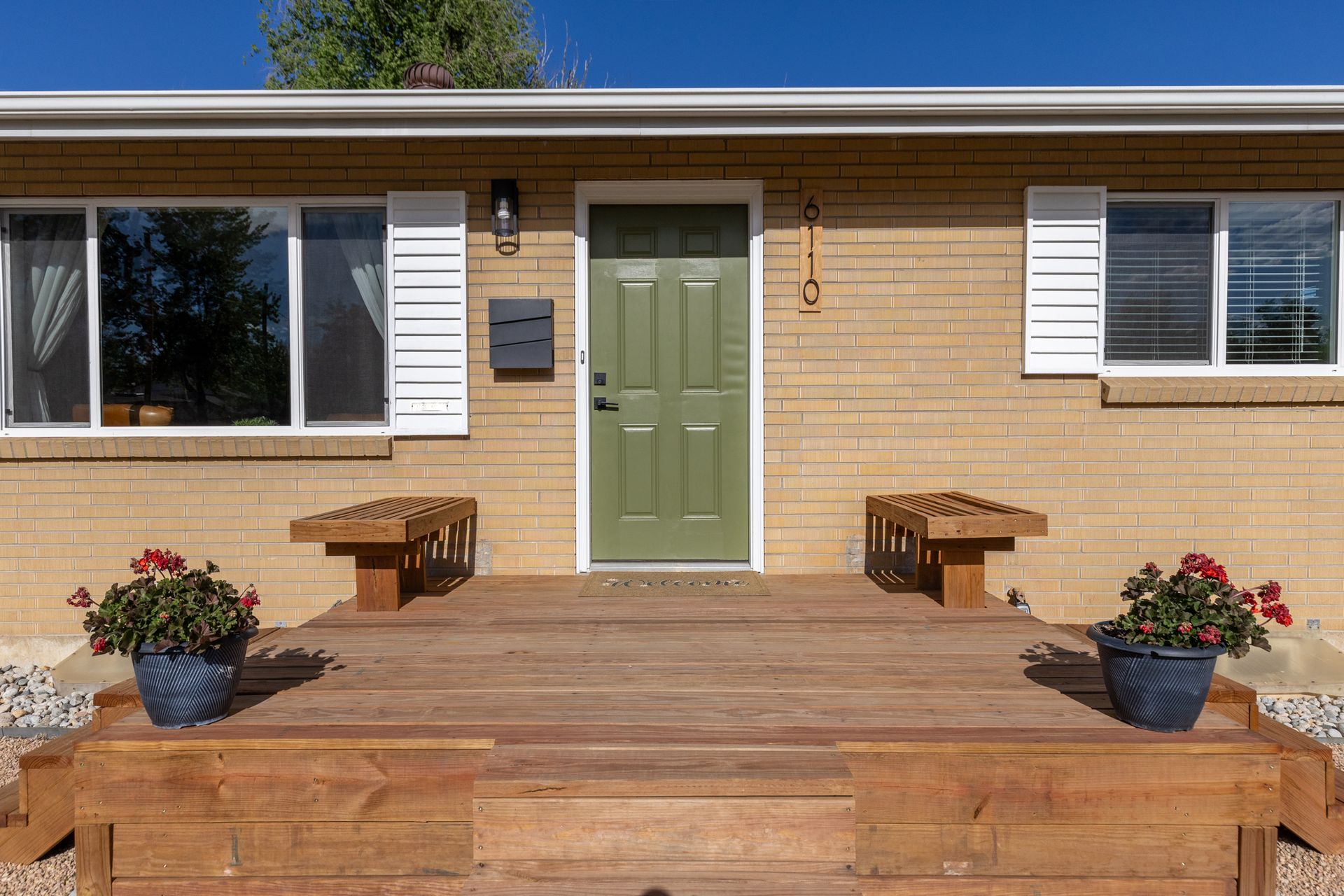
6110 Brooks Dr, Arvada: A Mid-Century Ranch with Rare Income Potential and Colorado Lifestyle Appeal