

How to Start Planning Your Move to Denver
A Practical, Stress-Reducing Guide for Your Denver Metro Relocation

Planning a move to Denver comes with plenty of excitement… and just as many decisions. With a metro area that stretches from Castle Rock to Erie and Golden to Aurora, the key to a smooth relocation is understanding your priorities, your lifestyle, and the nuances of each community long before the moving truck arrives.
Whether you’re relocating for work, lifestyle, or a fresh start, here’s a clear path to help you plan a confident transition to the Denver Metro area.
1. Start With Your Lifestyle Goals
Before you start comparing neighborhoods, take time to define what you want your life in Colorado to look like. This clarity will guide every other decision.
Consider questions like:
• What type of environment energizes you: urban, suburban, or foothills?
• How important are schools, commute times, or walkability?
• Do you want quick access to outdoor recreation?
• Are you drawn to historic homes, new builds, or low-maintenance living?
Having this vision makes it much easier to determine which areas are worth exploring first.
2. Explore Denver Metro’s Neighborhood Landscape
The Denver Metro region offers a wide range of communities, each with its own pace, housing style, and lifestyle benefits. Some buyers want the walkability of Central Denver, others love the amenities of Douglas County, while many prefer the foothill access on the west side or the newer master-planned communities in east Denver.
A few areas to get you started:
Central Denver
Capitol Hill, Washington Park, Park Hill, Congress Park
Walkable neighborhoods, historic homes, tree-lined streets, and quick access to arts, culture, and dining.
North Metro
Westminster, Northglenn, Thornton, Broomfield
Growing communities with parks, Light Rail access, and a mix of established and newer developments.
South Metro
Highlands Ranch, Parker, Castle Rock, Lone Tree
Top-rated schools, family-friendly amenities, open space, and strong community services.
East Metro
Central Park, Lowry, Aurora Southlands
Modern neighborhoods, newer construction, parks, rec centers, and proximity to Anschutz Medical Campus.
West Metro
Lakewood, Golden, Morrison, Arvada
A blend of suburban comfort, outdoor recreation, and foothill access.
Exploring a variety of neighborhoods helps you understand not just housing styles, but how each area feels day to day.
3. Understand How the Denver Market Behaves
Denver’s real estate market has its own rhythm. Instead of relying on national headlines, focus on the factors that will shape your personal experience.
Key elements to consider:
• Inventory trends in your target neighborhoods
Some areas see steady turnover while others have limited supply, influencing both pace and pricing.
• What your budget realistically buys across the metro
Buying power varies widely from one community to another. Understanding this early helps you refine expectations.
• Competitiveness within your price point
Some ranges move fast, while others allow more flexibility and negotiation.
• Timing considerations
Seasonality, interest rates, school calendars, and relocation cycles all impact availability and pricing.
Taking time to evaluate these pieces upfront reduces guesswork and creates a clearer, more strategic path forward.
4. Build a Thoughtful Home Search Plan
Once you’ve defined your priorities and explored various communities, create a tailored search strategy that supports your move.
Your plan may include:
• Neighborhood comparisons
• Tours or virtual previews
• A curated list of must-see areas for your first visit
• Insights on commute patterns, daily conveniences, and local amenities
• Understanding how each area aligns with your long-term goals
A structured plan keeps the process organized, efficient, and aligned with your lifestyle.
5. Schedule a Scouting Visit, If Possible
Getting boots on the ground helps everything click. By walking neighborhoods, visiting local shops, and touring homes, you’ll quickly discover what feels right.
During your visit, pay attention to:
• The neighborhood atmosphere
• Walkability and traffic flow
• Proximity to parks, coffee shops, and local businesses
• How homes compare to what you expected
This step offers valuable clarity and often helps narrow down your top contenders.
6. Plan Your Relocation Logistics Early
Moving to a new city requires thoughtful coordination. Begin tackling the logistics well in advance, including:
• Temporary housing options
• School enrollment timelines
• Scheduling movers and researching service providers
• Understanding utilities and local resources
• Preparing documents needed for financing and closing
A proactive approach helps you avoid stress and stay focused on the opportunities ahead.
7. Seek Local Insight as You Make Decisions
Even with good online research, local guidance offers a level of clarity that digital maps and market reports simply can’t match. Understanding micro-markets, commute patterns, neighborhood personalities, and long-term value is essential for making informed decisions.
A little insider knowledge goes a long way when you’re planning a major relocation.
Ready to Start Planning Your Denver Move?
If you’re preparing for a relocation and want knowledgeable, strategic guidance from someone who has lived in Colorado for more than 20 years and specializes in helping newcomers find their ideal fit, I’m here to help. Whether you’re months out or just starting to explore the Denver Metro market, I offer custom neighborhood insights, tailored search strategies, and a supportive, organized approach that makes the entire process feel manageable.






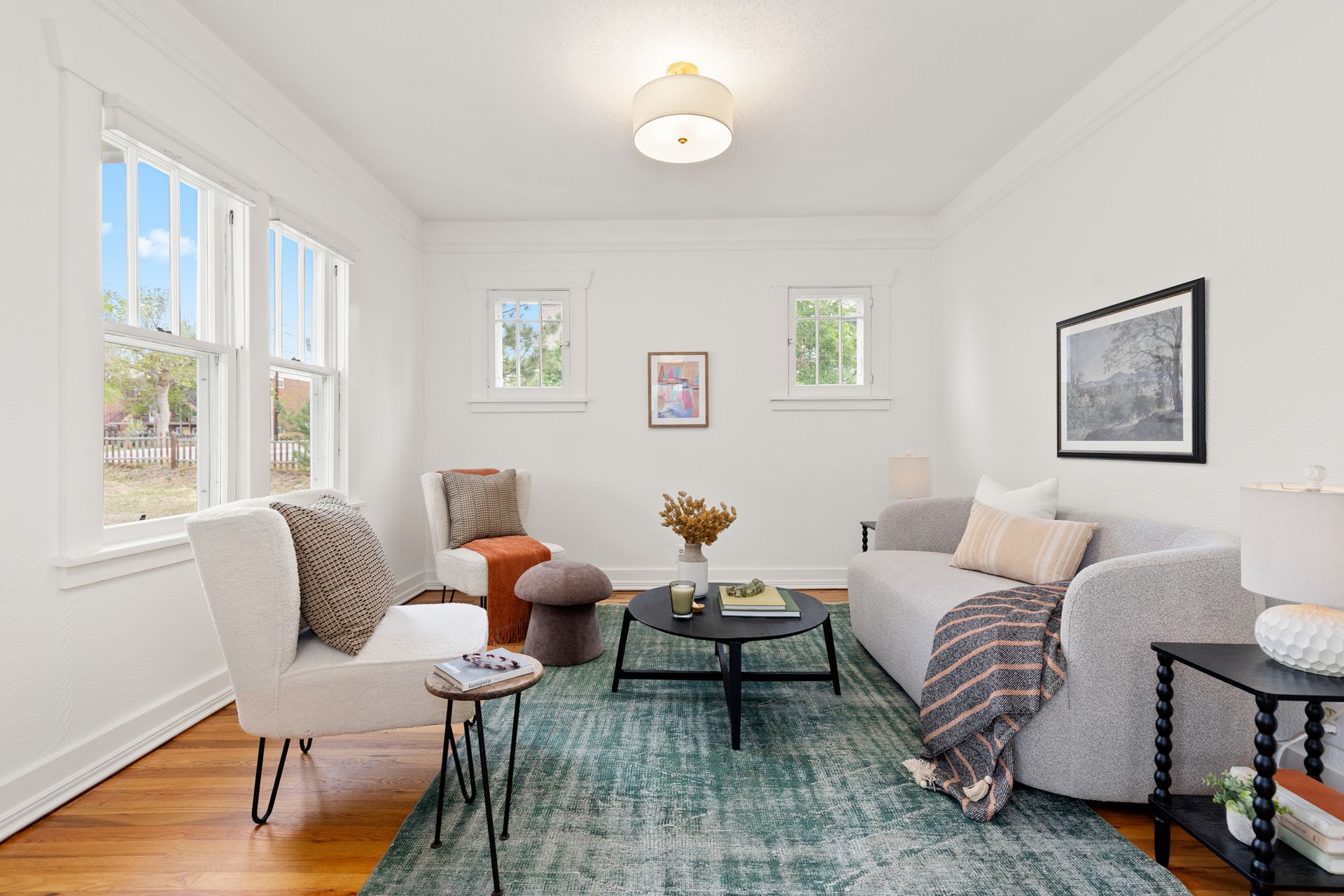

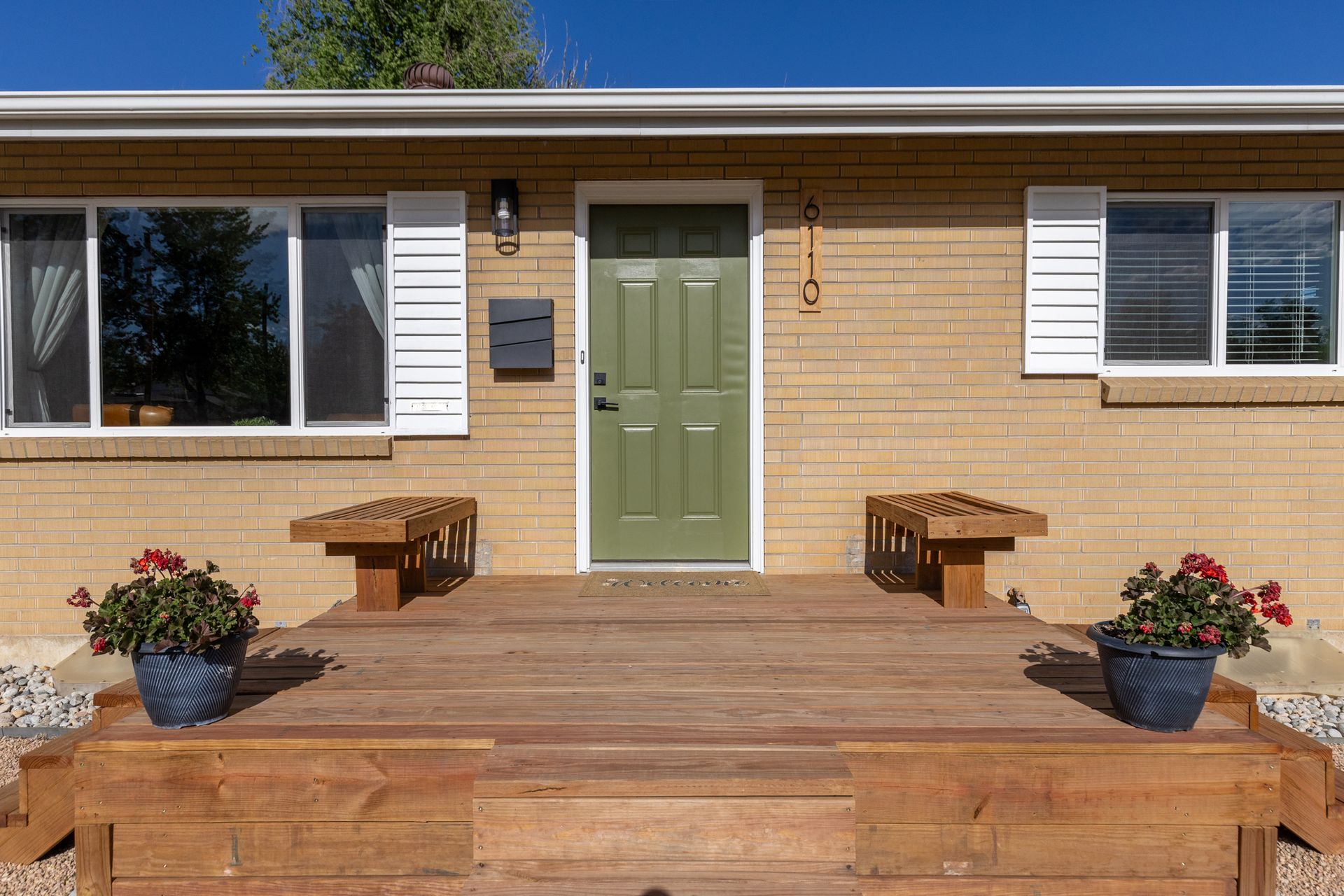
6110 Brooks Dr, Arvada: A Mid-Century Ranch with Rare Income Potential and Colorado Lifestyle Appeal