
Nobody Tells You This Before Buying Your First Home

By Jackie Weinhold 

You can have enough saved for a down payment and still be surprised by how much cash you need to buy a home.

The down payment is the number most first-time buyers focus on. But some expenses come up before closing day. You may pay for a general inspection, a sewer scope or a radon test while you’re under contract. An appraisal may be another expense, depending on your loan.


To give you a sense of scale, a general inspection might cost $400–$750, a sewer scope $150–$250 and a radon test $100–$150. An appraisal for a single-family home may start around $600. These are planning estimates, not fixed prices; the home, provider and transaction will affect your actual costs.

You’ll also typically submit earnest money after your offer is accepted. That can be several thousand dollars, so you need access to it early in the process. It generally goes toward what you owe at closing, rather than being an extra cost on top of the purchase price.


Then there are closing costs, which are separate from your down payment. They can include lender and title fees, homeowners insurance, prepaid taxes and other transaction-specific charges. Your lender can give you an estimate for the particular home and loan you’re considering.


And the spending doesn’t necessarily stop when you get the keys. Moving costs, utility setup and the first few things you want to repair or replace can add up quickly.


None of this is meant to make buying feel out of reach. It’s meant to help you ask a better question than “Do I have enough for the down payment?” Ask, “What will I need to pay along the way, what will I need at closing, and what will I have left afterward?”


Before we start touring, I want you to have that whole picture. A lender can help estimate your cash to close, and we can talk through the other expenses that may apply to the homes you’re considering. Getting approved tells you what you can borrow. Understanding these costs helps you decide what feels comfortable to buy.


A white farmhouse with dark roofs stands on a grassy rise beneath a dramatic sunset sky.
By Jackie Weinhold • November 17, 2026
What are Denver Metro homebuyers prioritizing in 2026? Explore affordability, home condition, lifestyle, and what these trends mean for sellers.
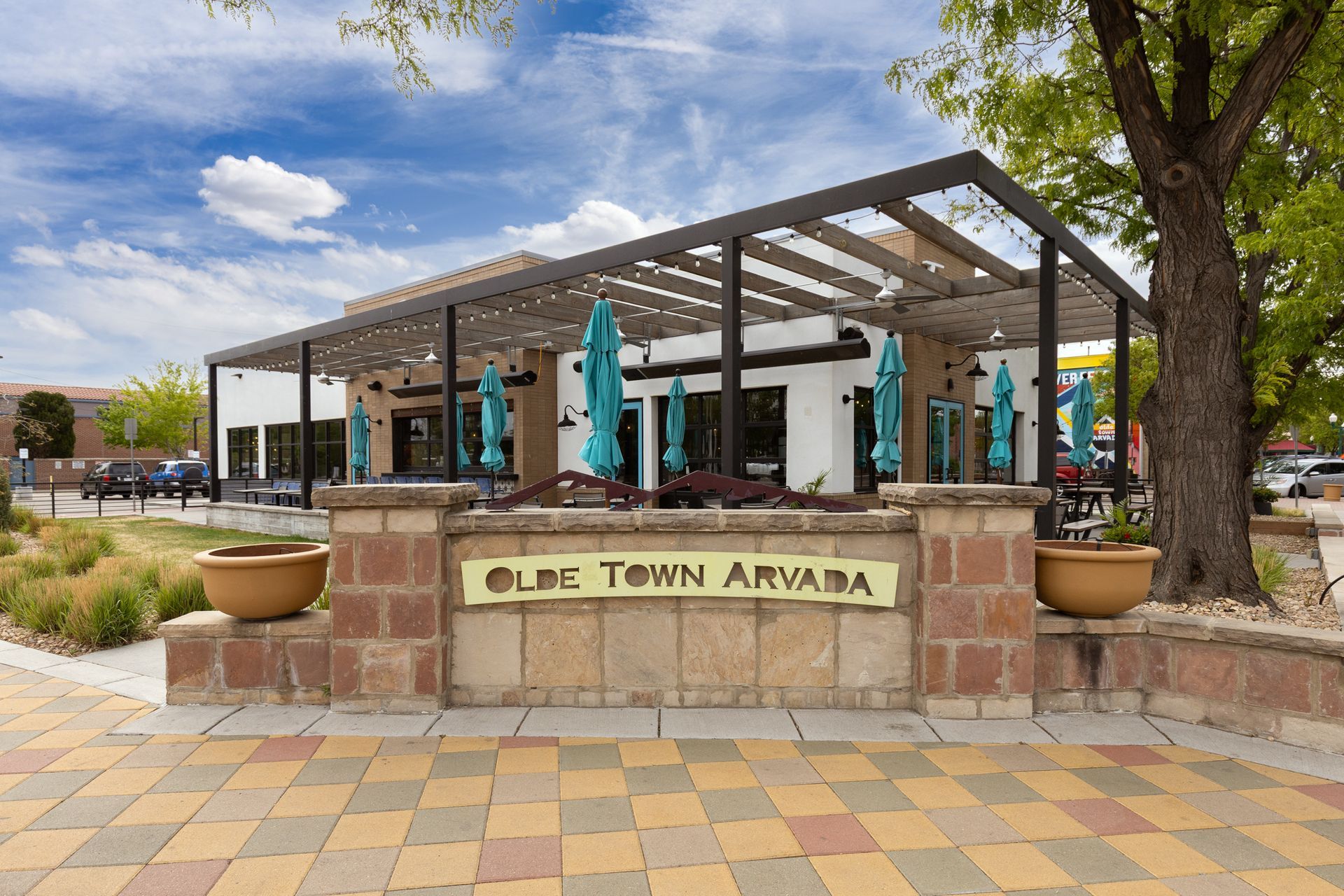
Blue Town Avada sign outside a modern patio with pergola, umbrellas, and potted plants under a cloudy sky
By Jackie Weinhold • November 2, 2026
What is it like to live in Arvada, CO? Local Realtor Jackie Weinhold shares her perspective after nine years of raising kids and getting involved in the community.
Bright modern white kitchen with island, brass pendant lights, bar stools, and wood floors
By jackie • October 27, 2026
Does an updated kitchen increase home value? Discover which kitchen upgrades are worth the investment before selling your home in Denver, Arvada, or Golden.
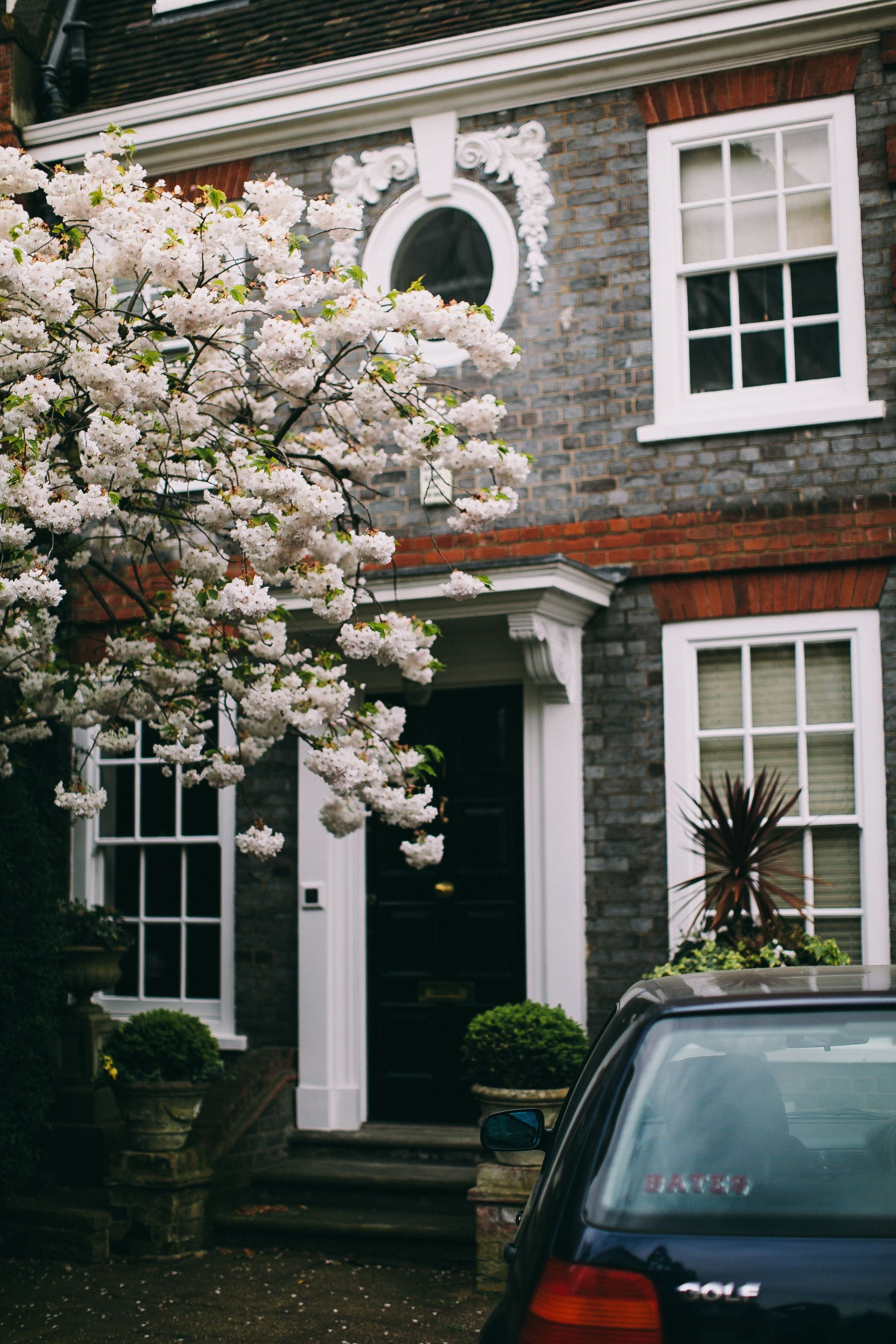
Brick townhouse with white trim, blooming tree, and parked car in front
By Jackie Weinhold • October 20, 2026
Planning to sell your Denver Metro home in spring 2027? Learn why fall is the ideal time to contact a Realtor and prepare for an early spring listing.
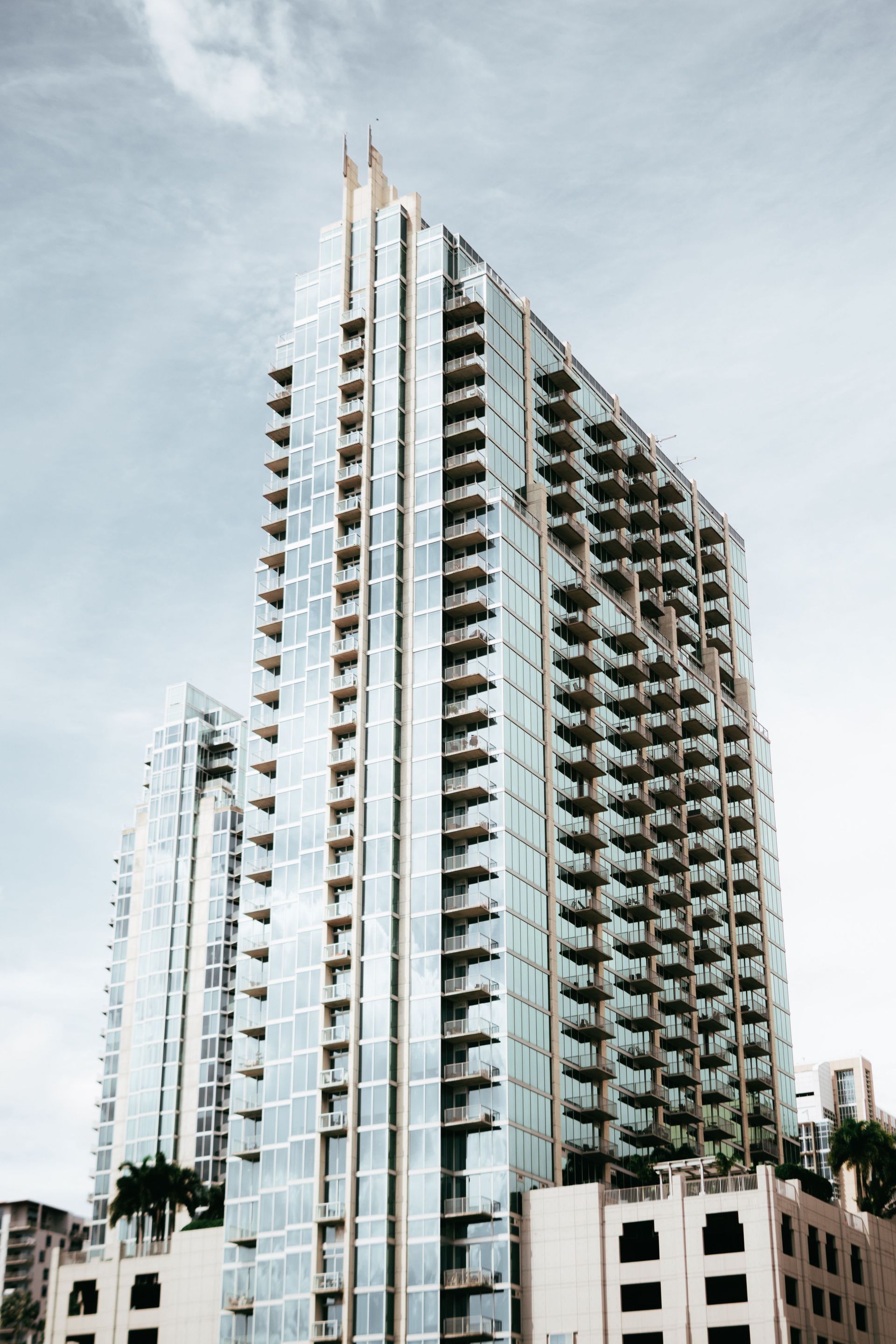
Tall modern high-rise building with balconies against a cloudy sky
By Jackie Weinhold • September 28, 2026
Buying a condo in the Denver metro area? Learn what to check beyond the unit, including HOA dues, reserves, insurance, community rules, and financing.
By jackie • September 28, 2026
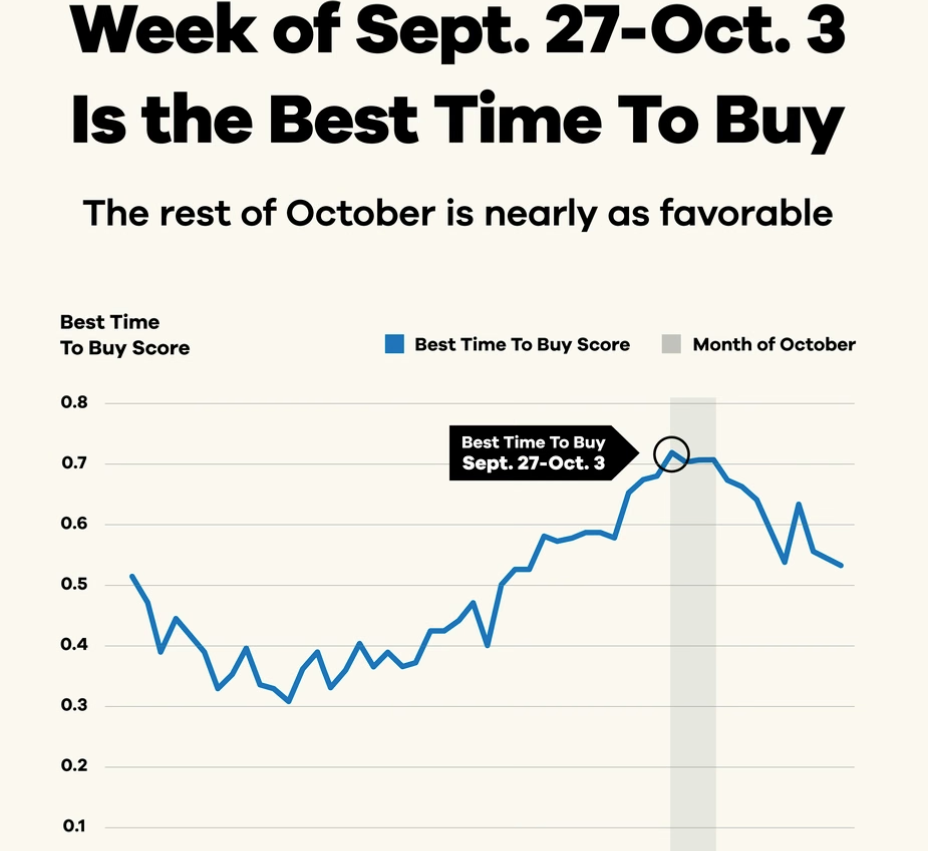
Apparently, this is the "best week of the year to buy a house."
By jackie • September 22, 2026
Living in Westminster, Colorado
Nighttime storefront with red awnings, lit holiday decorations, pedestrians, and a parked SUV
By Jackie Weinhold • September 22, 2026
Explore life in Lafayette, Colorado, including neighborhoods, homes, Old Town, parks, trails, schools, shopping and commuting.
By jackie • September 22, 2026
Living in Broomfield, Colorado
Worker using a yellow tool to install trim on a white wall
By Jackie Weinhold • September 8, 2026
Wondering which home improvements are worth making before you sell? Learn how to prioritize projects and avoid spending money where it may not pay off.
More Posts