
Buying a Condo? Look Beyond the Unit Before You Make an Offer
By Jackie Weinhold
A condo can be a great fit if you want a lower purchase price than a detached home, less exterior maintenance, or amenities such as a pool or fitness center.
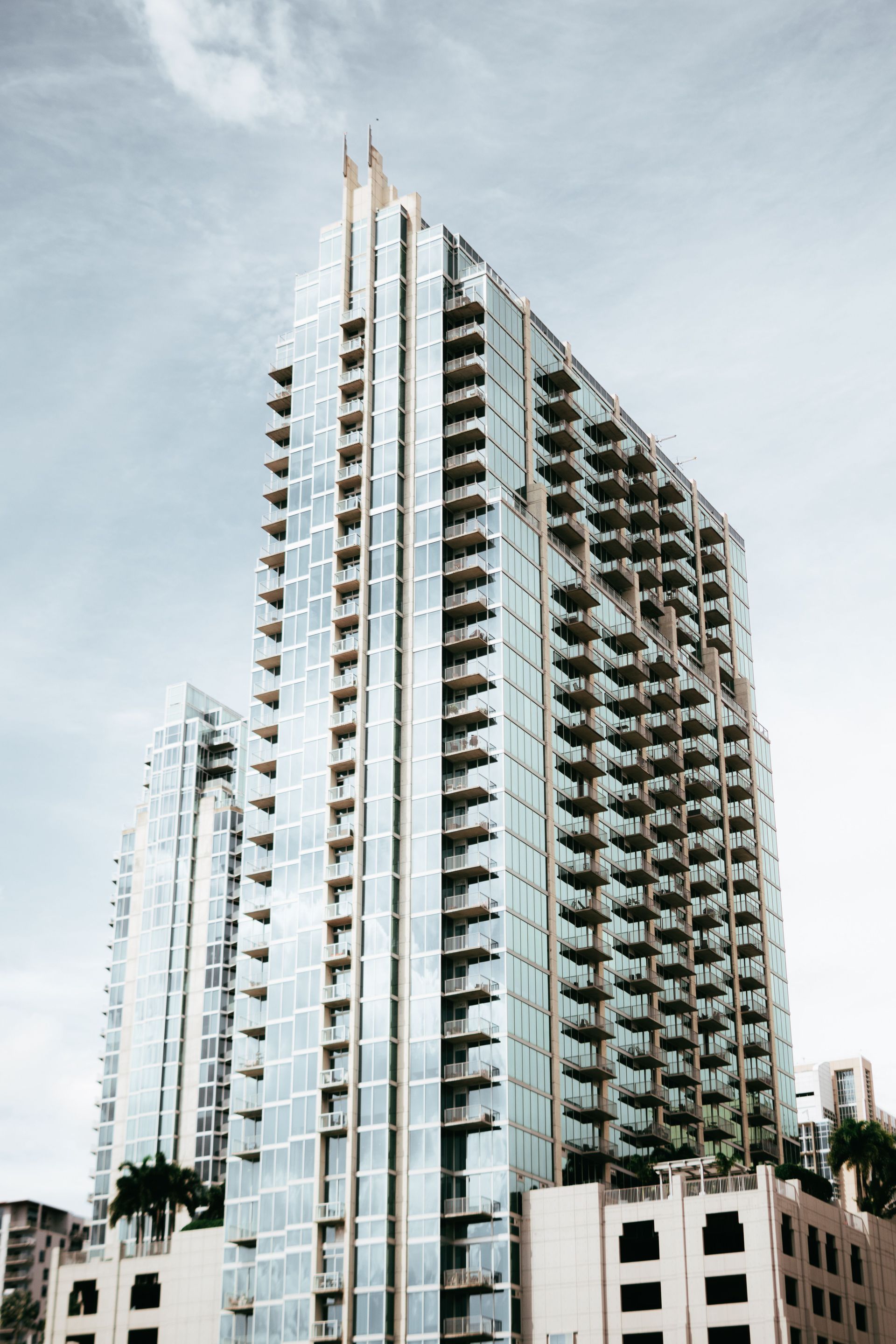
But buying one means taking a close look at more than the kitchen, floor plan, and monthly payment.
When you buy a condo, you own your unit and share ownership of the building’s common areas with other owners. The homeowners association, or HOA, manages those shared spaces and sets rules for the community. Its decisions and finances can affect what you pay, how you use your home, and even your financing options.
Here are the questions I’d want you to ask before buying.
What will it really cost each month?
Your HOA dues are separate from your mortgage payment. Depending on the community, they may cover some combination of exterior maintenance, shared amenities, building insurance, and contributions to a reserve fund for future repairs.
Ask exactly what the dues include. You may still pay separately for utilities, property taxes, and insurance for the inside of your unit. HOA dues can also rise over time, so a low fee today does not tell the whole story.
Is the HOA prepared for major repairs?
A building will eventually need work, whether that means a new roof, plumbing repairs, or parking garage maintenance. A well-run HOA plans and saves for those costs.
Review the association’s budget, reserve fund, and any available reserve study. Ask about upcoming projects and whether the HOA has imposed special assessments in the past. A special assessment is an extra charge to owners when regular dues and reserves are not enough to cover an expense.
This is one reason I would never judge a condo by its HOA fee alone. Very low dues may sound appealing until a major repair comes due.
Are there rules that affect how you want to live?
Every community has its own governing documents. Before you buy, find out what they say about:
- Pets and any size or number limits
- Parking for you and your guests
- Renting out the unit
- Renovations and changes to the unit
- Noise and quiet hours
These details matter even if you do not plan to rent or remodel right away. Your plans may change, and it helps to know your options before you commit.
What condition is the entire property in?
A beautiful unit can sit inside a building with expensive problems. Ask when major components were last repaired or replaced, including the roof, exterior, elevators, shared plumbing, and parking areas where applicable. Find out whether there are known safety concerns, deferred maintenance, or pending repairs.
If you can, talk with residents about how the community is managed and how quickly maintenance issues are handled.
Will the condo qualify for your loan?
With a condo purchase, your lender evaluates your finances and aspects of the condo project. The association’s financial health, building condition, insurance, and other project details may affect loan approval. Your lender will also include the HOA dues when calculating what you can afford.
That is why I recommend involving your lender early when you find a condo you like. You want to understand both your payment and whether the project works for your financing before you get too far into the purchase.
The takeaway
A condo can offer a lot: homeownership, shared amenities, and less hands-on exterior maintenance. The key is knowing what comes with the unit. Review the HOA documents, understand the full monthly cost, and ask questions about the building’s condition and finances.
If you’re considering a condo in the Denver metro area, I can help you look beyond the listing photos and work through the questions that matter before you buy.